(RightWardpress.com) – A new “Strike Force” policy by the DOJ raises questions about the erosion of government transparency and independence.
Story Highlights
- The DOJ’s “Strike Force” is seen as a document review, not a full-fledged investigation into Obama-Biden.
- Trump and Bondi’s actions raise concerns about political motivations overshadowing justice.
- Over 100 DOJ staff resignations suggest internal resistance to perceived political interference.
- Legal analysts question the legitimacy of the “Strike Force,” likening it to political theater.
The “Strike Force”: A Controversial Initiative
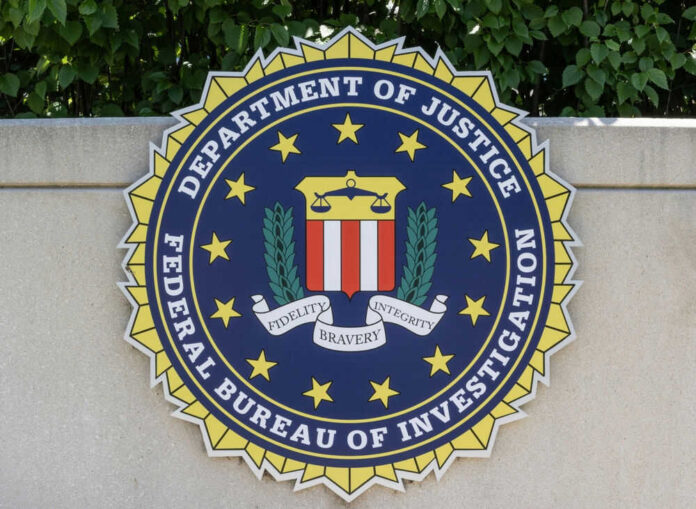
The “Strike Force” announced by the Department of Justice, headed by Attorney General Pam Bondi, is intended to review evidence presented by DNI Tulsi Gabbard. Despite claims of a significant investigation, the focus remains on document review rather than probing specific individuals like Obama or Biden. Critics argue that this initiative lacks substance and primarily serves as political theater, offering no substantial evidence of misconduct by the previous administration.
Bondi’s announcement has been framed in certain circles as a move against former Obama-era “Russiagate” abuses. However, the legal framework and the official stance from the DOJ suggest that the scope is limited to evaluating the disclosures made by Gabbard. This distinction is crucial, as it highlights the contrast between perceived and actual judicial actions, underscoring the political narratives that surround these developments.
The Political Landscape Under Trump
Since his return to office, President Trump has been vocal about pursuing investigations into his predecessors and their associates. This has included the formation of groups like the “Weaponization Working Group,” aimed at addressing alleged misuse of power by previous administrations. Trump’s appointment of Bondi as Attorney General further solidifies his influence over the DOJ, raising questions about the department’s independence and the potential for politically motivated actions.
The recent wave of resignations within the DOJ—over 100 lawyers—highlights internal dissent and concerns about political interference. Many see these resignations as a stand against actions that could undermine the integrity of the justice system. The tension within the DOJ points to a deeper conflict between career staff and political appointees, reflecting a broader struggle over the department’s direction and priorities.
The Broader Implications
The creation of the “Strike Force” and the subsequent actions by the DOJ under the Trump administration have far-reaching implications. The erosion of press freedoms, with Bondi rescinding Biden-era guidelines to target leaks, poses a significant threat to transparency and accountability. Legal experts warn that these moves could set a dangerous precedent, where politically driven investigations become the norm, undermining the rule of law and the presumption of regularity.
As the situation develops, the impact on stakeholders—ranging from DOJ staff to the media and political figures—continues to unfold. The narrative of accountability versus retribution is a central theme, with the outcomes of these actions likely to influence the political landscape and public trust in government institutions.
Sources:
Lawfare: The Situation – Pam Bondi Announces a Ghost Investigation
RCFP: DOJ Rescinds News Media Guidelines – Analysis
IBA: US Presidency Weaponised Department of Justice Investigations Prompt Concerns Over Independence
CAP: Does a Politically Directed Department of Justice Merit the Presumption of Regularity?
Copyright 2026, RightWardpress.com