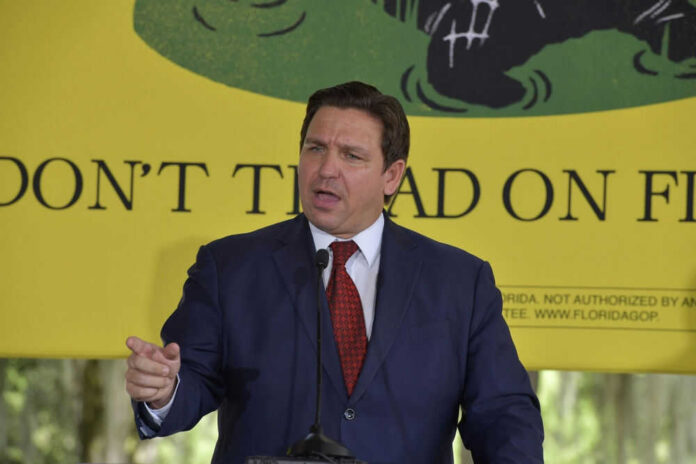
(RightWardpress.com) – A governor who built his brand on “law and order” is now under fire for amplifying a tweet that sneers at a Black lawmaker as a “ghetto rep,” raising fresh questions about whether America’s political class cares more about stoking division than solving real problems.
Story Snapshot
- A Mediaite report says Florida Gov. Ron DeSantis retweeted a post calling State Rep. Angie Nixon a “ghetto rep,” though key details of the original piece remain partly unverifiable.
- The incident caps years of clashes between DeSantis and Black lawmakers over redistricting, curriculum fights, and “anti‑riot” laws.
- Supporters see DeSantis’s online aggression as pushback against “woke” critics; opponents see a pattern of racially coded attacks.
- The controversy highlights how elite political brawls on X distract from policy failures hurting working Americans on both left and right.
Reported Retweet And What We Actually Know
Mediaite promoted a story headlined “DeSantis Approvingly Retweets Post Calling Black Lawmaker a ‘Ghetto Rep,’” describing Florida Gov. Ron DeSantis boosting a tweet that labeled Democratic State Rep. Angie Nixon with that slur. The full article is not accessible through provided materials, so details like the exact wording of the retweet, timestamp, and author cannot be independently confirmed. What is clear is the framing: DeSantis is accused of amplifying racially loaded mockery of a Black female critic instead of modeling restraint.
Angie Nixon, a Democrat representing a largely Black, working‑class Jacksonville district, has long been one of DeSantis’s sharpest opponents. She has condemned his policies on voting rights, abortion, protest restrictions, and education, sometimes calling him “racist” and “fascist.” DeSantis allies and conservative media figures often portray her as a radical symbol of “woke” politics. That adversarial relationship set the stage for an online pile‑on where a hostile account could label her a “ghetto rep” and expect applause from partisan followers.
Years Of Culture‑War Clashes In Florida
DeSantis built his national profile by waging culture‑war battles that energized conservatives and infuriated progressives. He backed the “Stop WOKE Act,” clamped down on classroom discussions of sexuality and gender, championed book removals, and fought corporate and school diversity programs. He also pushed through a congressional map that dismantled a Black opportunity district represented by Democrat Al Lawson, a map a trial court later found unlawfully diminished Black voting power. Black lawmakers like Nixon responded by accusing him of deliberately targeting their communities.
Those disputes unfolded alongside DeSantis’s aggressive use of X, formerly Twitter, as his main unfiltered megaphone. He announced his 2024 presidential campaign on the platform, signaled loyalty to its billionaire owner, and routinely amplified influencers who attacked his critics as “woke radicals.” In that environment, sharing a post that calls Nixon a “ghetto rep” fits a larger pattern: politics as perpetual online combat, where owning the other side matters more than persuading skeptical citizens. For many Americans, left and right, it confirms suspicions that elites thrive on division.
Power Imbalance And Risks For Both Sides
The clash between DeSantis and Nixon highlights an uneven power dynamic. DeSantis controls Florida’s executive agencies, benefits from a GOP supermajority, and enjoys national donor networks. Nixon holds a minority‑party seat with limited formal leverage, but she has a microphone and grassroots credibility in communities that feel squeezed by both parties. When a governor boosts a slur against a legislator, he effectively invites his large following to treat a critic as a caricature rather than a representative of real constituents with real grievances.
Short‑term consequences cut in different directions. Nixon likely faces increased online harassment and potential threats, a common outcome when women of color become targets in partisan media cycles. At the same time, the controversy can elevate her profile among Democrats and civil‑rights advocates, energizing donors and activists. For DeSantis, the episode reinforces existing perceptions: his supporters see toughness against a progressive opponent; his critics and many moderates see needless escalation that undercuts claims of principled leadership and respect for the rule of law.
What This Says About Today’s Political Class
For conservatives already skeptical of coastal media and the permanent bureaucracy, incidents like this land in a complicated way. Many agree with DeSantis on fighting ideological indoctrination, defending parental rights, and pushing back on radical activism. Yet they also see a ruling class—from governors to pundits to online influencers—more focused on viral insults than fixing broken borders, inflated prices, and failing schools. A retweet that appears to mock a lawmaker’s background feeds the sense that elites treat politics as performance, not stewardship.
Across the spectrum, Americans increasingly believe government is failing them while insiders on both sides cash in on outrage. DeSantis versus Nixon is another reminder: when leaders lean on racially charged name‑calling instead of serious argument, they confirm the worst fears of voters who suspect the “deep state” and political class are out of touch, arrogant, and more interested in keeping power than honoring equal dignity under the law. That cynicism is the real victory—for the elites, not the people.
Sources:
Man With Suspiciously-Shaped Mustache in Border Convoy Rails Against Immigrants on NewsNation
‘Visibly Weaker Position’: MSNBC’s McFaul Amazed by Trump Interaction With Xi
MSNBC’s Maddow and O’Donnell Roast Trump Press Corps Over ‘Quickie’ Phoners: ‘It’s Just Ridiculous’
Copyright 2026, RightWardpress.com