(RightWardpress.com) – A French court just sent a chilling message to conservatives worldwide: share the wrong meme, and you could face fines, speech “re‑education,” and even prison.
Story Snapshot
- Paris court convicts 10 people over online posts about France’s First Lady Brigitte Macron, including one immediate prison sentence.
- Judges impose suspended jail terms, fines, mandatory “cyberbullying” training, and social media bans for what they call degrading speech.
- Case grows out of years of online speculation and “transvestigation” claims about Macron’s gender and private life.
- Parallel defamation lawsuit targets U.S. conservative commentator Candace Owens in a Delaware court.
French Court Uses Criminal Law To Police Online Speech
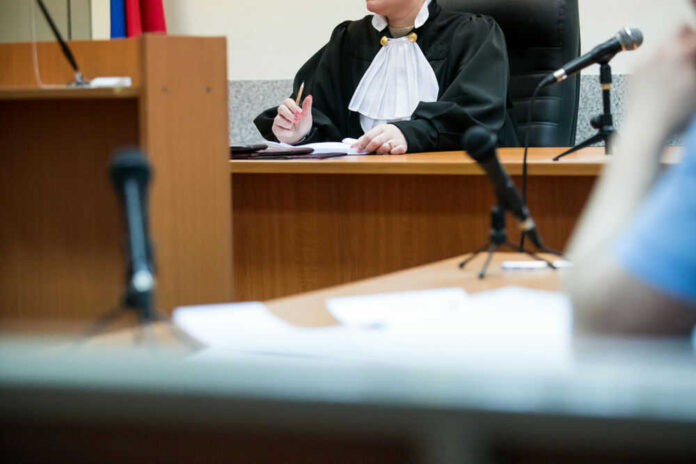
A Paris criminal court has convicted ten defendants, eight men and two women aged 41 to 65, for cyber‑harassment of French First Lady Brigitte Macron over social media posts that repeated a conspiracy theory about her gender and linked her marriage to allegations of pedophilia. The court treated the repeated, widely shared posts as a coordinated form of harassment, not just isolated comments, and labeled the content “particularly degrading, insulting, and malicious” toward the First Lady’s dignity and private life under French law.
Sentencing in the case went far beyond a symbolic warning. Eight defendants received suspended prison terms ranging from four to eight months, while one woman, Delphine Jégousse, known online as Amandine Roy, was given a six‑month jail sentence in part because she did not attend the hearing. All ten must complete state‑mandated training on cyberbullying and hate speech, and several are temporarily banned from using their social media accounts, adding a direct restriction on their ability to speak online.
From Fringe Rumors To Test Case On “Transvestigation” Speech
Rumors about Brigitte Macron’s gender identity began circulating after Emmanuel Macron’s 2017 election, fueled by their twenty‑four‑year age gap and her role as his former high‑school teacher. Those whispers evolved into a detailed theory claiming she is actually her brother, Jean‑Michel Trogneux, who supposedly assumed her identity. The narrative spread across fringe blogs and social platforms and was framed as “transvestigation,” a genre where activists claim to expose public figures as secretly transgender or living under false identities.
A lengthy 2021 YouTube interview by Delphine Jégousse and self‑styled investigator Natacha Rey dramatically amplified the story by presenting it as an investigative scoop, complete with supposed visual “proof.” Clips, memes, and reposts of that video proliferated across Facebook, X, Telegram, and other channels, reaching tens of thousands of viewers. As the claims hardened into a persistent online campaign, Brigitte Macron, her brother, and their lawyers shifted from ignoring the rumors to filing defamation and harassment complaints in French courts to push back.
Legal Tools: Harassment, “Cumulative Harm,” And Speech Controls
French prosecutors built the case using provisions on moral harassment and online hate, arguing that repeated posts, shares, and comments about Brigitte Macron’s supposed transgender identity created a hostile environment that harmed her psychological well‑being. The court accepted the notion of “cumulative harmful effects,” meaning that even users who merely amplified content, rather than creating it, could be held criminally responsible if their activity contributed to sustained targeting. Judges combined financial penalties with educational and digital sanctions to reshape online behavior.
This legal framework stands in sharp contrast to the U.S. First Amendment tradition familiar to American conservatives. In France, the state claims broad authority to punish speech that is judged degrading or defamatory, even when aimed at powerful political figures. While supporters present the ruling as a necessary response to cyberbullying and disinformation, critics warn that criminalizing offensive or conspiratorial speech opens the door to selective enforcement and political favoritism, especially when elites can marshal state power against small online actors.
High‑Profile Players: Brigitte Macron, Candace Owens, And Political Stakes
Inside the courtroom, Brigitte Macron did not appear, but her daughter Tiphaine Auzière testified about the toll the campaign had taken on her mother’s health and daily life. She described how the First Lady feels compelled to monitor her clothing and posture, knowing that any image may be twisted to fit online narratives. Macron’s legal team emphasized not only the emotional harm but also the importance they place on educational sentences and account suspensions as a model for future cyberbullying cases involving high‑profile women.
Outside France, the story intersects directly with U.S. conservative media. Brigitte and Emmanuel Macron have filed a separate defamation suit in Delaware against commentator Candace Owens, whose video series “Becoming Brigitte” repeated or dissected elements of the gender‑conspiracy narrative. The Macrons’ lawyers say they are prepared to introduce DNA tests and personal records in that case. Owens has publicly condemned the French convictions as “psychopathic” and framed the wider legal offensive as an attempt to criminalize criticism and chill right‑of‑center commentary.
Implications For Free Speech, Sovereignty, And U.S. Conservatives
For American readers, the case underscores how sharply European speech norms differ from those that protect political commentary in the United States. In France, courts openly balance personal dignity against expression, and this ruling signals that reposting controversial content about an elite figure’s identity can be treated as a crime, not just bad taste. That standard, if imported into U.S. law or platform policy, would place ordinary users, independent journalists, and influencers at risk whenever they challenge official narratives.
The cross‑border dimension also matters for national sovereignty and conservative media. By suing a U.S. commentator in Delaware while securing criminal convictions at home, the Macrons are testing how far European‑style controls on speech can reach into the American public square. With Trump back in the White House and promising to defend U.S. constitutional principles, many conservatives will see this French case as a cautionary example: once governments redefine offensive or conspiratorial talk as punishable harassment, political dissent quickly becomes a legal liability instead of a protected right.
Sources:
10 people found guilty of cyber-harassing Brigitte Macron – Le Monde (English)
French Gallerist Found Guilty of Cyberbullying Brigitte Macron – Hyperallergic
10 sentenced for false claims Brigitte Macron is transgender – The Advocate
Copyright 2026, RightWardpress.com