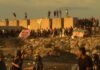
After nine days underground, two hydropower workers were pulled out alive from a Nepal tunnel as rescue teams pressed on at several flooded sites.
Story Highlights
- Rescuers saved two workers from a hydropower tunnel days after severe floods.
- Nepal’s government and army say tunnel rescues remain a top priority.
- Rescue teams are clearing mud, drilling, and pumping air into blocked tunnels.
- Conflicting early counts made it hard to know how many people were trapped.
Rescuers Pull Survivors From A Flooded Tunnel
Rescue teams in Nepal brought two tunnel workers out alive after floods buried parts of several hydropower projects. Officials said operations were active across multiple sites, including the Upper Trishuli complex, where many people were feared trapped in tunnel systems clogged by mud and debris. The Energy, Water Resources and Irrigation Minister, Biraj Bhakta Shrestha, said saving workers inside the plants was the highest priority as crews raced to clear access points and reach sealed chambers.
Authorities described a multi-pronged push using heavy machines, drilling, and air lines to keep chances alive. Reports from the scene said teams broke into upper tunnel sections, pumped air inside, and dug downward with excavators through compacted mud. The Nepal Army said it worked to remove water and sediment from inside key tunnels to open safe paths for search teams and stretchers. These steps matched standard rescue playbooks for flooded underground works after landslides and flash torrents.
Government Says Hundreds Rescued, More Searches Underway
The prime minister’s office said the army had already rescued hundreds of people in extreme conditions, describing risky river flows and unstable slopes as crews moved between districts. The Nepal Army’s spokesperson, General Raja Ram Basnet, said soldiers and engineers, supported by foreign experts, were working at several hydropower projects at once to locate and free trapped or stranded workers. Reuters also reported a nationwide surge in search-and-rescue, with officials focusing on named tunnel sites across the Trishuli corridor.
Local and international help converged as the effort widened. Nepal’s response relied on coordinated teams moving equipment between damaged intake points, surge shafts, and powerhouses. The push aimed to reopen blocked galleries, restore ventilation, and drain standing water that turned silt into cement-like plugs. Officials balanced speed with safety to avoid new cave-ins that could harm workers or rescuers. Such choices often slow progress but improve odds of safe extractions and accurate counts.
Unstable Numbers And A Fluid Picture On Who Is Trapped
Early figures on how many were trapped changed often as crews reached more sites. Media counted from a few dozen in a single tunnel to hundreds across projects, and many others listed as missing in flood zones. At one site, the Rasuwagadhi tunnel, the Nepal Army sent in a drone and found no one inside, despite fears that workers were there when the flood hit. Reports also warned that some missing workers were likely at surface sites, not underground.
🇳🇵 Trapped tunnel workers rescued in Nepal 'miracle'
Two hydropower workers have been pulled alive from a tunnel buried by debris in Nepal, a rare ray of hope on the tenth day of rescue efforts after catastrophic Himalayan flooding. pic.twitter.com/HMAvNRzlLy
— AFP News Agency (@AFP) September 4, 2026
That shifting picture is common in fast disasters. Mudflows cut roads and power, scatter teams, and wipe logs that track who was on shift. Crews first focus on lifesaving, then refine lists as they clear tunnels and check camps. In Nepal, run-of-river hydropower sits in narrow valleys where monsoon floods bring rocks, trees, and silt with brutal force. Past floods damaged dozens of projects and caused heavy losses, underscoring the sector’s exposure to extreme weather.
What This Means For Safety And Accountability
The two rescues show how fast action, gear, and grit can save lives even after many days underground. They also highlight hard questions about warning systems, staffing inside tunnels during peak rain, and how project operators harden sites against debris surges. Officials emphasized progress and rescue priorities, while the varying counts showed how hard it is to map a moving crisis across many projects. Clearer incident logs and site rosters would help align numbers and guide future safeguards.
Sources:
youtube.com, english.onlinekhabar.com, bbc.com, dtnext.in, english.aawsat.com, abcnepal.tv, openthemagazine.com, whalesbook.com, apnews.com
© rightwardpress.com 2026. All rights reserved.