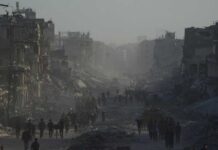
Entire blocks of Spokane homes vanished in hours as wind‑driven fires turned suburban streets into a charred, empty grid.
Story Snapshot
- More than 600–700 structures, many of them homes, have been destroyed around Spokane.
- About 60,000–67,000 people were under evacuation orders as flames pushed into city neighborhoods.
- Three major blazes merged into the Spokane Complex Fire, burning thousands of acres on the city’s edge.
- Officials report no confirmed mass casualties so far, but warn that number may change as crews reach ruined areas.
Wildfires Turn Spokane Neighborhoods Into Burn Zones
Wildfires that began over the weekend on the outskirts of Spokane quickly pushed into residential areas, destroying entire blocks of homes and other buildings. Officials say between 600 and 700 structures are gone, with many more damaged, as fast‑moving flames turned a brush fire into what one incident commander called an “urban conflagration.” Videos and photos from Indian Trail and other neighborhoods show rows of charred foundations, burned cars, and streets lined with ash where families lived days ago.
The main blazes — the Old Trails Fire, Autumn Lane Fire, and Fairview Fire — are now managed together as the Spokane Complex Fire. Driven by dry winds and high temperatures, the fires jumped natural barriers, including the Spokane River, and pushed into the northern and western edges of the city. Officials estimate the complex has burned thousands of acres, with some reports putting the total near or above 8,000 acres around Washington’s second‑largest city. For many residents, these were not distant forest fires; flames were in cul‑de‑sacs, backyards, and commercial strips they use every day.
Mass Evacuations and Strained Emergency Response
As the fires surged toward homes, authorities issued Level 3 “Go Now” evacuation orders for large parts of northwest Spokane, including Indian Trail, Nine Mile, and areas north of Francis Avenue and west of Division Street. Estimates from state and local agencies suggest roughly 60,000 to 67,000 people fell under evacuation orders at the peak, turning a quiet weekend into a scramble to grab kids, pets, and documents before leaving. Shelters opened at the Spokane Convention Center and other sites, and thousands of families spent the night not knowing if their houses were still standing.
Fire crews from across Washington state rushed to Spokane as local firefighters were stretched thin battling three large, uncontained fires at once. The Washington State Emergency Operations Center and incident management teams reported preliminary destruction numbers, stressing that counts would change as crews finally reached some burned areas. Officials also worked to cut power in high‑risk zones to prevent new ignitions, leaving tens of thousands without electricity as smoke darkened the sky. Residents watched this huge response and still saw whole neighborhoods fall, feeding a deeper sense that systems meant to protect them are not keeping up with growing risks.
Shared Concerns About a System Under Strain
For many Americans, this Spokane disaster hits a nerve that crosses party lines. People who already feel priced out by housing costs, taxes, and inflation now see hundreds of families lose everything in a few hours, with no guarantee insurance or government aid will make them whole. Homeowners who did “everything right” — worked hard, saved, bought a house — watched that core piece of the American Dream burn while officials talked about complex response plans and preliminary assessments. That gap between soaring promises and fragile reality fuels anger at leaders in both parties.
Nearly 65,000 people have been evacuated from their homes in Spokane County, Washington as wildfires have consumed more than 8,000 acres since they started on Saturday. The Pacific Northwest is facing its worst fire season.
Follow live coverage: https://t.co/b7cWYwpX7U pic.twitter.com/Aw4eIKd9dO
— CNN Weather (@CNNweather) August 4, 2026
Conservatives see another example of government reacting late to obvious risks, after years of debating climate, energy, and land management instead of hardening communities at the edge of forests. Liberals see a warning about growing climate extremes hitting working families while elites seem insulated and well covered. Both sides look at Spokane and see ordinary people bearing the cost of decisions made far above them, from zoning that pushes growth into fire‑prone areas to budgets that fund bureaucracy but leave local departments short on crews and gear. The term “deep state” may mean different things to different people, but the feeling is the same: those in charge are protected; those on the ground are exposed.
What Comes Next for Spokane Families
Officials warn damage tallies will rise as teams move through burned areas and use aerial infrared surveys to count destroyed and damaged buildings. That process will decide who qualifies for aid and how much help they receive, a stage where many disaster survivors elsewhere have felt buried in red tape and slow checks. Thousands of Spokane residents now face months or years of rebuilding, fighting with insurers, and hoping state and federal promises turn into real support. Their trust in those systems will depend on whether help arrives quickly and fairly, not just on how many press conferences are held.
As fires grow more intense across the West, Spokane’s story is likely to repeat in other cities on the edge of wild land. People across the country who already doubt whether the federal government can handle basic tasks — securing borders, controlling spending, protecting communities — now see another test unfolding in real time. How leaders handle this disaster, and whether burned‑out families are treated as priority citizens or forgotten statistics, will shape that trust. For readers watching from afar, Spokane is more than a local tragedy; it is a warning about what happens when systems built decades ago meet twenty‑first‑century risks and come up short.
Sources:
thegatewaypundit.com, nypost.com, pnwdaily.com, youtube.com, pbs.org, okanoganhighlandsfirewatch.app, spokanepublicradio.org, fires.cornea.is, chronline.com, cnn.com, en.wikipedia.org, npr.org, facebook.com, instagram.com, opb.org, khq.com
© rightwardpress.com 2026. All rights reserved.