(RightWardpress.com) – As the world celebrates Trump’s latest FIFA peace prize, the president is openly weighing military strikes on Venezuela…and doing it on his own unapologetically America First terms.
Story Snapshot
- Trump dismisses claims that his FIFA peace prize conflicts with possible U.S. strikes on Venezuela.
- Supporters see a president who can pursue peace while still wielding decisive military power.
- Critics focus on crime at home, but Trump rejects the soft-on-crime narrative pushed for years by the left.
- The episode highlights a sharp break from Biden-era globalism and image-driven diplomacy.
Trump Brushes Off “Peace Prize vs. Power” Narrative on World Stage
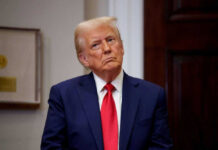
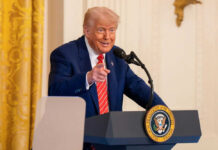
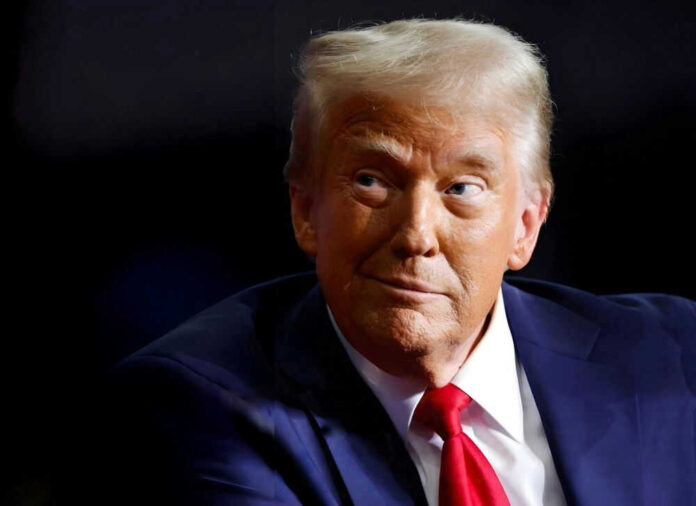
Walking the red carpet before the World Cup Draw, President Trump faced a predictable media trap: reporters pressed him on whether accepting a FIFA peace prize conflicts with his administration’s willingness to consider military strikes on Venezuela. Trump brushed off the question, signaling he rejects the idea that peace prizes require weakness. For an America First base exhausted by globalist guilt politics, the exchange underscored a familiar theme: strength keeps the peace, not performative handwringing.
Trump’s answer also reflected a long-standing conservative view that peace through strength is not a contradiction but a requirement in a dangerous world. Reporters pushed for an admission that the prize should constrain U.S. options, effectively suggesting that international applause matters more than American security. Trump refused that framing. Instead, he treated the peace award as recognition of past successes, not a leash on future decisions, reaffirming that U.S. sovereignty comes before foreign approval.
Venezuela, Deterrence, and the End of Biden-Style Appeasement
Discussion of potential strikes on Venezuela inevitably raises questions about deterrence and the lessons of the last decade. Under the previous administration, Washington drifted toward lectures, sanctions without teeth, and symbolic condemnations that dictators easily ignored. Trump’s team now signals that military power remains an option, especially against regimes that threaten regional stability, traffic in narcotics, or enable foreign adversaries close to America’s doorstep. That posture sharply diverges from the old pattern of empty red lines.
For many conservatives, the Venezuela question is not about craving war but restoring credibility. When Washington’s word means little, rogue regimes expand their reach, often in partnership with globalist networks, cartels, or hostile intelligence services. Trump’s willingness to mention strikes, even while receiving a peace-related honor, communicates to Caracas and other bad actors that the United States will not be boxed in by diplomatic pageantry. Peace prizes do not protect tyrants from consequences when they threaten American interests.
Crime at Home, Media Narratives, and the Law-and-Order Divide
During the same red-carpet moment, reporters raised concerns about crime in the United States, echoing years of headlines painting America as spiraling out of control. Trump dismissed those concerns, signaling impatience with narratives that ignore his administration’s efforts to support law enforcement and dismantle lenient policies championed by the left. To his supporters, the media’s fixation misses the real story: a federal government finally confronting cartels, border chaos, and urban lawlessness instead of excusing them.
President Trump says he needs to save lives after being asked whether the peace prize he's expected to receive at the FIFA World Cup draw conflicts with his recent pledge to strike Venezuela.
"I don't need prizes," he said. " I need to save lives and we're saving a lot of… pic.twitter.com/H4yl9qC2Lp
— CBS News (@CBSNews) December 5, 2025
Conservatives watching this exchange see a familiar pattern. For years, progressive prosecutors and Democrat-run cities weakened penalties, undermined police, and romanticized offender “equity” while ordinary families paid the price. Trump’s refusal to indulge another media lecture about crime reflects his broader message that order is restored by backing cops, enforcing the law, and sealing the border. To that audience, handwringing questions from foreign and domestic press corps ring hollow after decades of failed soft-on-crime experiments.
Peace Awards, National Interest, and the America First Standard
The spectacle of a FIFA peace prize itself speaks volumes about the global political class. International bodies routinely hand out awards to reward conformity with elite opinion—often for climate pledges, open-border rhetoric, or feel-good diplomacy that leaves real threats untouched. Trump’s acceptance of such an honor, while openly retaining the option of hard power against Venezuela, flips that script. He treats the prize as secondary to the national interest rather than a new rulebook imposed by unelected international organizers.
For a conservative, Trump-supporting audience, the incident is less about soccer pageantry and more about priorities. The president faces a choice between appeasing foreign sensibilities or defending American security, prosperity, and constitutional order. By brushing off the supposed contradiction between peace recognition and potential military action, he clarifies where he stands. Peace prizes may be nice, but they will not dictate U.S. strategy, muzzle deterrence, or resurrect the failed globalist playbook that voters rejected.
Copyright 2025, RightWardpress.com