(RightWardpress.com) – Trump says he got Putin to pause attacks on freezing Kyiv for a week—yet with the Kremlin staying silent, the world is left asking whether words alone can protect civilians.
Story Snapshot
- President Trump said he personally asked Russian President Vladimir Putin to halt strikes on Kyiv and other Ukrainian cities for one week amid extreme cold, and Putin agreed.
- Multiple outlets reported there was no immediate Kremlin confirmation, and Trump did not specify exactly when the pause would begin.
- Ukraine has faced intensified strikes on energy infrastructure, worsening outages of heat, power, and water during dangerously low temperatures.
- U.S.-brokered contacts, including recent Abu Dhabi talks involving American envoys and Russian and Ukrainian representatives, are continuing with another round expected soon.
Trump’s One-Week Request and the Verification Problem
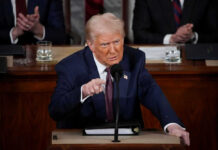
President Donald Trump announced on January 29, 2026, during a White House cabinet meeting that he asked Vladimir Putin to pause strikes on Kyiv and other Ukrainian cities for one week because extreme cold was compounding a humanitarian crisis. Trump described the weather as unusually severe and tied his request to basic survival needs—heat, power, and water—disrupted after attacks on energy infrastructure. Major reporting described the key uncertainty plainly: no immediate public confirmation from the Kremlin.
That missing confirmation matters because it separates a diplomatic statement from an enforceable reality. Trump did not publicly specify the exact timing of the call or when the one-week pause would start. As of the initial reporting window, available coverage also noted continued violence, including reports of fatalities from strikes the same day Trump made the announcement. With timelines unclear and the pause unverified by Moscow, observers are left to judge results by what happens on the ground.
Why Energy Strikes in Winter Turn War Into a Civilian Crisis
Recent Russian strikes have targeted Ukraine’s power infrastructure, and reporting described widespread service disruptions during a deep cold snap. Accounts included that more than 1,300 apartment buildings in Kyiv were left without heat at points during the attacks and outages. This is the hard reality of modern warfare: hitting energy nodes can quickly cascade into water failures, hospital stress, and life-threatening exposure, especially when temperatures plunge and repairs cannot keep pace with repeated strikes.
Russia’s full-scale invasion, launched February 24, 2022, entered its fifth year by early 2026, and the winter-focused pressure campaign has remained central in coverage. The story’s humanitarian framing is not abstract; it is tied to whether civilians can stay warm in their homes and whether a city can keep essential services running. When governments talk about “de-escalation,” this is the practical test—fewer strikes means fewer blackouts, and fewer blackouts mean fewer preventable deaths.
Talks in Abu Dhabi and the Shape of a Possible Deal
The one-week pause claim landed alongside reports of U.S.-brokered diplomacy that had already been underway. Coverage described trilateral talks in Abu Dhabi around January 24–25 involving U.S. envoys, Ukrainian officials, and Russian representatives, including mention of Russian generals participating. Reporting said the discussions touched on security protocols, “prosperity” arrangements, and a potential territorial component often summarized as a “land deal,” though specific terms were not publicly defined in the available accounts.
Special envoy Steve Witkoff was quoted in reporting as describing momentum and suggesting that continued dialogue could save lives. Other coverage noted Jared Kushner’s involvement in the Abu Dhabi talks. The fact pattern here is straightforward: the U.S. is applying high-level pressure and convening talks, while the public still lacks clear, verifiable benchmarks for what Russia will actually do next. For Americans who watched years of open-ended foreign commitments, measurable outcomes—like confirmed pauses—matter more than diplomatic theater.
Zelensky’s Response: Welcome the Help, Demand Enforcement
Ukrainian President Volodymyr Zelensky responded positively, thanking Trump and describing de-escalation steps as meaningful if they lead to real progress. At the same time, reporting emphasized that Zelensky wanted the U.S. to enforce the understanding—an implicit recognition that promises in wartime can be temporary or reversed. The message from Kyiv was essentially: a pause saves lives only if it is real, monitored, and maintained long enough to stabilize critical infrastructure.
The story also sits within a broader political context: Trump’s renewed presidency has emphasized faster dealmaking after years when many Americans felt Washington’s foreign-policy class preferred endless escalation without a clear endpoint. Even so, the available reporting underscored limitations: there was no public Kremlin sign-off, the start date was unspecified, and there were no confirmed post-announcement results included in the initial coverage window. For now, verification comes down to whether strikes actually stop.
What to Watch Next as the U.S. Pushes for De-escalation
Next steps are expected quickly, with reporting indicating another round of talks could occur in roughly a week. If the pause is honored, it would offer immediate relief to civilians and serve as a confidence-building measure for bigger negotiations. If it is not honored, it will sharpen the central question: whether Moscow treats U.S. requests as leverage points—or as public relations moments it can ignore without consequences. In either case, the credibility of any broader agreement depends on compliance first.
Americans should also separate what is confirmed from what is claimed. Trump’s statement is widely reported, and Zelensky’s supportive remarks are widely reported, but a durable outcome requires clear timelines and observable changes on the battlefield. The best test is not pundit commentary—it is whether Kyiv’s energy grid gets a reprieve long enough for repairs, and whether any “security protocols” discussed in Abu Dhabi translate into fewer civilian-targeted disruptions during the winter emergency.
Sources:
Trump says Putin agrees to pause Kyiv strikes amid harsh cold
Trump says Putin agreed halt Kyiv strikes one week amid brutal cold
Trump says Putin agreed not to attack freezing Kyiv for a week
Trump claims Putin agreed not to strike Kyiv, Ukrainian cities for a week
Trump personally asked Putin not to strike Kyiv during extreme cold
Ukraine war latest: Kyiv must leave Donbas as path to peace, Putin envoy says
Trump says he asked Putin not to target Kyiv for 1 week during brutal cold spell
Copyright 2026, RightWardpress.com