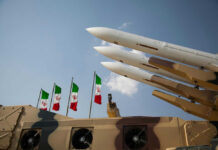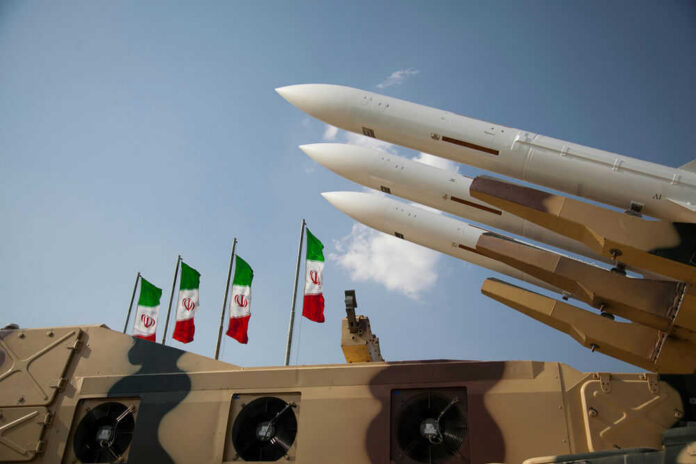
(RightWardpress.com) – Behind the smiles and diplomatic optimism, US-Iran nuclear negotiations are teetering on the brink of collapse as Tehran flatly refuses American demands to address ballistic missiles and terror proxies—raising the specter of military confrontation that could engulf the Middle East.
Story Snapshot
- President Trump warns of “very steep consequences” as nuclear talks with Iran reach a critical impasse over scope of negotiations
- Iran refuses to discuss ballistic missiles, regional proxy support, or human rights—demanding talks focus only on civilian nuclear program
- USS Abraham Lincoln carrier group deployed near Iranian waters while Tehran conducts live-fire drills closing the Strait of Hormuz
- Satellite imagery reveals Iran rebuilding nuclear infrastructure damaged in June 2025 Operation Rising Lion strikes
Negotiating From Opposite Universes
The fundamental problem plaguing these talks mirrors the disaster that killed the Obama-era nuclear deal: Tehran and Washington cannot even agree what to negotiate about. America demands Iran surrender its remaining 400 kilograms of enriched uranium, halt nuclear weapons development, restrict ballistic missiles, and abandon support for Hezbollah, Hamas, and the Houthis. Iran insists discussions address only civilian nuclear guarantees—nothing else. This is the same structural incompatibility that made the 2015 JCPOA deliberately exclude ballistic missile technology and proxy militias because Iran would not budge. Now Secretary of State Marco Rubio demands Iran address human rights abuses and internal repression alongside nuclear issues, further widening the chasm between positions.
The Military Reality Behind Diplomatic Theater
While diplomats exchange pleasantries in Geneva, the military buildup tells a different story. The USS Abraham Lincoln carrier strike group sits positioned near Iranian waters as Iranian-backed militias in Iraq urgently prepare for potential war with America. Iran closed the Strait of Hormuz for live-fire exercises—a direct threat to global oil supplies flowing through the Persian Gulf. Houthi rebels have threatened to withdraw from their ceasefire deal with the United States. This convergence of military posturing with failed diplomacy creates dangerous escalation dynamics where miscalculation could trigger conflict neither side officially wants but both are preparing for.
America May Be Overplaying Its Hand
President Trump believes Iran is weakened and ready to capitulate after Operation Rising Lion struck Iranian nuclear facilities in June 2025 and Israeli operations degraded Tehran’s proxy networks. However, experts warn the administration may be overestimating its leverage. Satellite imagery confirms Iran is actively restoring nuclear capabilities damaged in last year’s strikes. Iranian commitment to ballistic missiles remains stronger than ever, with much infrastructure already rebuilt. Meanwhile, Iran experiences deepening economic collapse and nationwide anti-government protests that have resulted in thousands of deaths from government crackdowns—making the regime more desperate and potentially more dangerous, not more compliant.
The Twenty-Month Problem
Negotiations of this complexity typically require approximately twenty months to reach comprehensive agreement. Trump’s administration appears to lack patience for such a timeline. The President has already warned that if Iran does not make a deal, the next attack will be far worse than Operation Rising Lion. Academic experts at USC Dornsife note that as time passes without agreement, both sides harden their negotiating starting points, making deals progressively less likely. This creates a ticking clock where diplomatic failure becomes increasingly probable while military options remain constantly on the table. Trump has indicated willingness to pursue commando operations targeting Iranian nuclear facilities if talks collapse completely.
What Failed Diplomacy Means For America
If these negotiations collapse, the consequences extend far beyond the Middle East. Iran would likely accelerate nuclear weapons development, fundamentally altering regional security and potentially triggering a nuclear arms race among Arab states. Any US-Iran military conflict would draw in regional proxies and allies, threatening Gulf Cooperation Council members and broader stability. Americans should recognize this as the predictable result of the disastrous Obama nuclear deal that enriched Iran’s regime while accomplishing nothing permanent. The JCPOA gave Tehran sanctions relief without addressing the regime’s commitment to terrorism, regional destabilization, or ballistic missile development. Now America confronts a nuclear-threshold Iran more defiant than ever, illustrating why agreements with rogue regimes require verification and consequences—principles the previous administration ignored.
Sources:
Iran-US nuclear talks may fail, but they are not futile – USC Dornsife
2026 United States–Iran crisis – Wikipedia
Copyright 2026, RightWardpress.com