(RightWardpress.com) – A simultaneous Iranian and U.S. naval squeeze on the Strait of Hormuz is becoming the kind of energy shock that can break household budgets—and expose just how fragile America’s economy still is.
Story Snapshot
- Iran’s reported restrictions have cut Strait of Hormuz traffic from roughly 115 ships per day to single digits, sharply limiting a key global energy chokepoint.
- David Stockman argues the Trump administration is preparing a U.S. Navy action that would further tighten flows, turning a disruption into a compounding supply shock.
- March 2026 CPI figures show energy inflation is already elevated, with especially steep increases in home heating oil and gasoline.
- The IMF has warned the Middle East conflict has “abruptly darkened” the global outlook, raising recession and inflation risks at the same time.
How a dual blockade turns a regional fight into a global price spike
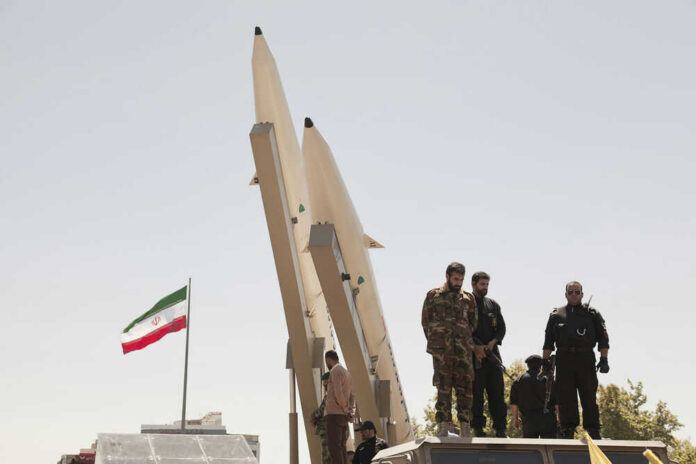
Iran has reportedly imposed its own Strait of Hormuz “blockade,” including a claimed transit fee per ship and selective passage decisions, and traffic has fallen from about 115 ships per day to a small handful. The Strait typically carries around 24 million barrels of oil equivalent per day, including crude, refined products, LNG, LPG, and some petrochemical and fertilizer-related cargoes. When volume collapses that quickly, energy markets react first—and consumers feel it soon after.
Stockman’s central claim is that the economic damage comes from the “dual” nature of the squeeze: an Iranian restriction followed by a potential U.S. Navy move that blocks even the remaining Iran-approved shipments. That matters because it doesn’t just reduce global supply; it reduces the remaining flexibility in the system. Even Saudi rerouting via the East/West pipeline appears limited, with only a few million barrels per day able to bypass the chokepoint, leaving a sizable gap that must be absorbed by prices.
Early warning signs are showing up in U.S. inflation data
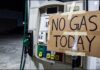
March 2026 CPI data cited in Stockman’s analysis shows year-over-year increases of about 44% for home heating oil, 19% for gasoline, 6.4% for utility gas service, and 4.6% for electricity. Those categories hit working families directly, especially retirees and fixed-income households who can’t “shop around” for home heat or commute costs. Stockman also points to the Truflation index showing goods prices rising at roughly a 4% annual rate, with expectations of sharper increases as the shock filters through.
Energy is the classic “inelastic” input in the short run, which is why supply disruptions can translate into outsized price jumps even when consumers try to cut back. Stockman projects hydrocarbon prices could rise multiples above normal levels, though that specific range is a projection rather than a consensus forecast. The bigger point is simpler and difficult to refute: when transportation fuel, home heating, and power costs rise together, the cost of nearly everything else rises too, and real purchasing power drops fast.
Stagflation risk rises when growth is already mediocre
Stagflation becomes plausible when inflation accelerates while growth slows, leaving policymakers with no clean fix. Stockman highlights Q4 2025 real GDP growth of about 2.0%, below the 2012–2024 average he cites, alongside a large rolling federal deficit. That combination matters for conservatives and many independents because it suggests the country has less fiscal room to cushion shocks. When Washington is already spending heavily, a new price surge can force ugly choices between more borrowing and tighter budgets.
The IMF’s warnings add institutional weight to the idea that this conflict is not a “far away” problem. Reports aggregated from multiple outlets repeat the IMF’s view that the Middle East conflict has abruptly darkened the global outlook, with growth forecasts trimmed and inflation risks elevated, particularly for emerging markets. The IEA warning that oil demand could fall for the first time since COVID—amid “demand destruction”—signals not strength, but households and businesses pulling back because the basics got too expensive.
Politics, credibility, and the public’s patience with “elite” decision-making
Paul Krugman’s commentary highlights market sensitivity to presidential signaling, describing how a Trump Truth Social post—suggesting the U.S. doesn’t need to open the Strait and Europeans should handle it—coincided with stock rallies and oil-price declines. That reaction illustrates a hard truth: traders are trying to price not only the blockade, but also whether Washington will escalate, de-escalate, or shift burdens to allies. For voters who already believe the federal government serves insiders first, volatility reinforces the sense that ordinary families are passengers.
With Republicans controlling Washington in 2026, Democrats have fewer formal levers to steer policy, but they can still pressure through media narratives and procedural fights. The more immediate issue for the public is results: whether energy costs stabilize, whether supply routes reopen, and whether inflation retreats. Stockman goes further, predicting severe electoral consequences, but that is political forecasting. What is measurable is the squeeze on household budgets, the elevated inflation readings, and the IMF’s caution that the broader economic picture is worsening.
Sources:
Orange Jesus, the Dual SOH Blockade and the Stagflation Ahead
The Psychology of Military Incompetence
Copyright 2026, RightWardpress.com