(RightWardpress.com) – China’s speculative frenzy and export restrictions triggered a catastrophic collapse in silver and gold prices, exposing the dangerous fragility of global markets driven by leveraged trading and Beijing’s strategic resource hoarding.
Story Highlights
- Silver plummeted from $121 per ounce to $77 in days, erasing massive gains from a China-fueled speculative rally
- China reclassified silver as a strategic material on January 1, 2026, cutting 60-70% of global refined supply through export restrictions
- President Trump’s nomination of Kevin Warsh for Federal Reserve chair rattled markets, accelerating the precious metals selloff
- Chinese traders profited over $500 million shorting the crash while retail investors faced withdrawal freezes and margin calls
China’s Export Controls Sparked Market Chaos
China’s decision to reclassify silver as a strategic material on January 1, 2026, fundamentally altered global supply dynamics. Beijing restricted exports to just 44 licensed firms, effectively severing 60-70% of the world’s refined silver supply from international markets. This policy mirrored China’s previous tactics with rare earth minerals, demonstrating the communist regime’s willingness to weaponize commodity markets. The export controls created severe fragmentation, with Shanghai premiums reaching 10% above COMEX and London prices as arbitrage opportunities evaporated and inventories at Shanghai exchanges hit lows not seen since 2016.
Speculative Bubble Burst Under Margin Pressure
Silver’s meteoric rise to $121 per ounce in late January 2026, following a 170% gain in 2025 and an additional 60% surge year-to-date, proved unsustainable. The crash intensified when exchanges including CME Group, Shanghai Gold Exchange, and SHFE raised margin requirements to curb reckless speculation. Chinese retail investors, who had piled into leveraged positions during the rally, faced withdrawal freezes and account suspensions as funds halted subscriptions. The margin calls forced mass liquidations, sending silver plunging 36% at its worst point to $77.10 per ounce by February 2. Gold experienced parallel carnage, dropping from over $5,500 to approximately $4,612 per ounce.
Trump’s Fed Pick Accelerated the Selloff
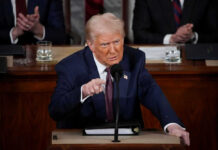
President Trump’s nomination of Kevin Warsh for Federal Reserve chair on a Friday in early February added fuel to the fire. Markets reacted to shifting interest rate expectations, triggering additional selling pressure across precious metals and broader commodities. The timing proved particularly damaging as Chinese markets prepared for the Lunar New Year holiday, leaving thin liquidity and amplifying volatility. Zhongcai Futures trader Bian Ximing capitalized on the chaos, banking over $500 million in profits by shorting silver during the crash. This exemplifies how connected traders exploit information advantages while ordinary investors suffer devastating losses.
Structural Deficits Signal Long-Term Scarcity
Despite the dramatic correction, fundamental supply shortages remain unresolved. Silver markets have operated in deficit since 2021, accumulating an 820 million ounce shortfall by 2025—equivalent to approximately one year of global mine production. Analysts project another 200 million ounce deficit in 2026. Growing demand from nuclear reactor control rods, artificial intelligence infrastructure, and clean energy applications compounds the scarcity. Central banks in emerging markets have begun accumulating silver as a monetary and strategic asset, recognizing its evolving triple-asset status as industrial, monetary, and strategic material. This represents a concerning shift toward resource nationalism that threatens America’s technological and industrial competitiveness.
The crash wiped approximately $7 trillion from precious metals valuations, with ripple effects extending to copper, platinum, and equity markets. Chinese stock indices fell 3.1% as China Gold ETFs experienced massive outflows. By February 4, silver had partially rebounded above $90 per ounce, with persistent Shanghai premiums of $13 per ounce signaling continued physical tightness in Asian markets. Analysts remain divided: long-term fundamentals point to higher prices driven by structural deficits and physical delivery demands that could drain Western exchanges, while short-term prospects face headwinds from speculative unwinding and cautious investor sentiment after the violent correction.
Sources:
Silver Crashes 20% As China Opens – Business Insider
Gold and Silver Price Crash Market Outlook – Business Insider
2026 Silver Physical Squeeze Strategic Asset – TradingKey
Gold and Silver China Market Update – BullionVault
Copyright 2026, RightWardpress.com