(RightWardpress.com) – President Trump declares national emergency over Cuba, unleashing tariffs on oil suppliers to hasten the communist regime’s collapse and neutralize threats from Russia, China, and Iran right in America’s backyard.
Story Highlights
- Trump signs executive order on January 30, 2026, invoking emergency powers to target third-party nations supplying oil to Cuba.
- Action follows U.S. capture of Venezuela’s Maduro and Mexico halting oil shipments, isolating the island’s communist government.
- Secretary Rubio openly backs regime change, calling Cuba’s economy non-functional and autocratic rule a threat to U.S. interests.
- Strategy internationalizes the embargo, pressuring allies of U.S. adversaries and accelerating predicted regime collapse.
- Trump warns Cuba “will not be able to survive,” framing measures as national security necessity against foreign intelligence threats.
Executive Order Targets Cuba’s Lifelines
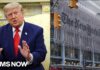
President Donald Trump signed an executive order on January 30, 2026, declaring a national emergency with respect to Cuba. The order invokes the International Emergency Economic Powers Act and National Emergencies Act. It establishes tariffs on third-party countries supplying oil to the communist regime. This move escalates U.S. pressure amid Cuba’s energy crisis. Commerce Secretary Howard Lutnick leads identification of violating entities, consulting Secretary of State Marco Rubio. The tariffs took effect at 12:01 a.m. Eastern Standard Time.
Strategic Timing Exploits Cuba’s Weakness
U.S. capture of Venezuelan President Nicolás Maduro on January 3 severed Cuba’s primary oil patron. Mexico halted shipments on January 29, deepening isolation. Secretary Rubio testified before Senate that day, stating the administration would welcome regime change. He described Cuba’s government as autocratic with a backwards economy. Trump views this vulnerability as prime for economic isolation. The strategy builds on six-decade embargo, shifting to penalize enablers rather than Cuba directly.
National Security Rationale Against Adversaries
The declaration cites Cuba’s alignment with Russia, China, Iran, Hamas, and Hezbollah as direct threats. Trump administration highlights Russian signals intelligence facilities on the island. A known site near Havana closed in 2002, but officials reference ongoing risks. This marks Trump’s tenth emergency declaration in his second term for economic tools like tariffs. The flexible order allows escalation if adversaries retaliate or Cuba shifts. Trump stated Cuba is a “failing nation” unable to survive without support.
Cuba confronts acute energy shortages from lost suppliers. Third-party nations face choices between Cuban trade and U.S. market access. Russian, Chinese, Iranian footholds in the Caribbean weaken under pressure. Cuban-Americans see hope for freedom after decades of oppression. Administration predicts imminent regime collapse benefits U.S. security and regional stability.
Power Dynamics Favor American Leverage
Trump holds dominant position via U.S. economic might. Cuba scrambles for survival amid eroded alliances. Rubio champions the push, rooted in Cuban-American heritage and anti-communist stance. Lutnick enforces compliance, monitoring global oil flows. Adversaries like Russia counter U.S. influence but lack leverage post-Venezuela fallout. This hardline approach reshapes Latin America, prioritizing sovereignty over globalist appeasement.
Short-term, Cuba endures blackouts and hardship, exposing regime failures patriots have long warned against. Long-term, collapse frees millions from tyranny, deterring leftist experiments. Precedent strengthens executive tools against threats, vindicating Trump’s unapologetic defense of America First principles.
Sources:
News.az: Trump declares national emergency over Cuba
Washington Examiner: Trump national emergency Cuba tariffs
Yeni Safak: Trump authorizes tariffs on nations supplying oil to Cuba
Congress.gov: Emergency declaration procedures
Copyright 2026, RightWardpress.com