(RightWardpress.com) – A rare on-air warning from Laura Ingraham is forcing Republicans and Trump voters to ask a dangerous question: is Washington drifting into another Middle East entanglement without straight answers?
Story Snapshot
- Fox News host Laura Ingraham publicly questioned whether President Trump was fully briefed on the risks of “Operation Epic Fury,” a notable break from her usual supportive posture.
- The debate on Fox split into two camps: caution about mission complexity versus confidence that Iran is already “on its knees” and should face tougher U.S. deadlines.
- Trump announced a two-week ceasefire via Truth Social, but even pro-Trump voices warned Iran may not honor it.
- The stakes extend beyond politics: the Strait of Hormuz and threats to Iranian infrastructure can move energy markets and raise the risk of escalation.
Ingraham’s “red flags” put briefing and mission risk at the center
Laura Ingraham used her Fox News program to question whether President Donald Trump was properly briefed on the dangers and complexity of the U.S.-Iran conflict tied to “Operation Epic Fury.” Her focus was not partisan sniping; it was operational risk. Ingraham highlighted an “extremely risky” uranium-related mission described as involving buried canisters and booby-trapped sites, raising the possibility that optimistic public messaging could outrun realities on the ground.
That skepticism matters politically because it comes from inside the president’s broader media ecosystem, where supportive commentary is common. For voters who remember how “quick” operations have historically turned into long deployments, Ingraham’s line of questioning intersects with a core conservative concern: accountability before commitment. If the mission truly involves specialized hazards, then Congress and the public will want clearer explanations about objectives, timelines, and how escalation is being avoided.
Trump’s ceasefire announcement shifts focus to verification, not vibes
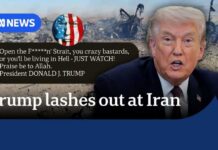
President Trump announced a two-week ceasefire on Truth Social, framing it as a step toward “World Peace” and even a “Golden Age.” The new pause creates an immediate test: whether Iran will comply in practice, not in press statements. The conflict’s economic backdrop remains central because the Strait of Hormuz is a strategic chokepoint, and U.S. threats against Iranian infrastructure were tied to pressure for reopening it.
Iranian-born entrepreneur Shervin Pishevar went on Fox & Friends to caution Trump against trusting Tehran’s commitment, arguing Iran has a pattern of deception and should face maximum pressure if it breaks terms. His posture aligned with a hawkish wing that sees regime change as the only durable solution, even as the administration’s public goals and the ceasefire’s mechanics remain murky in open reporting.
Pro-Trump hawks argue escalation threats can shorten the war
Other Fox voices defended a tougher posture and dismissed concerns raised by critics. Fox Business contributor Liz Peek supported Trump’s threats, including discussion around hard deadlines and the strategic value of targets tied to Iran’s energy infrastructure. In parallel, Rep. Pat Fallon of the House Armed Services Committee insisted the U.S. was “definitely winning” and pushed back on fears of a quagmire, portraying current operations as successful rather than bogged down.
That divide reflects a recurring Washington dynamic: some leaders treat public threats as leverage that can force quick concessions, while others worry threats create incentives for miscalculation. Conservatives broadly prefer strength over drift, but strength still requires disciplined aims. If the objective is nuclear concessions, then the key question becomes what verification looks like, who certifies compliance, and what actions automatically trigger renewed strikes or broader action.
Why this episode feeds broader distrust of the “system” on both sides
Ingraham’s doubts also land in a country where many left and right voters already believe institutions protect themselves first. When even a friendly host publicly questions whether a president was fully briefed, it reinforces a bipartisan suspicion that the permanent national security apparatus can overpromise, undersell risk, or shape narratives to keep operations going. That concern does not prove wrongdoing; it highlights how fragile trust becomes when transparency is limited.
The practical takeaway is straightforward: ceasefires and strikes are not just moral or ideological debates; they are governance tests. Republicans controlling Congress have tools to demand clear benchmarks, costs, and end states—without giving Democrats room to turn oversight into pure obstruction. If the administration can show measurable goals and credible verification, support will be easier to sustain; if not, skepticism like Ingraham’s is likely to grow.
Sources:
Donald Trump’s Favorite Fox News Host Raises Red Flags Over President’s Unpopular Iran War
Fox News contributor: Trump’s Iran threats: Don’t worry about critics saying “war crime”
Copyright 2026, RightWardpress.com